

Sap-Ing-Sith: A Registered Property Use Right in Thailand
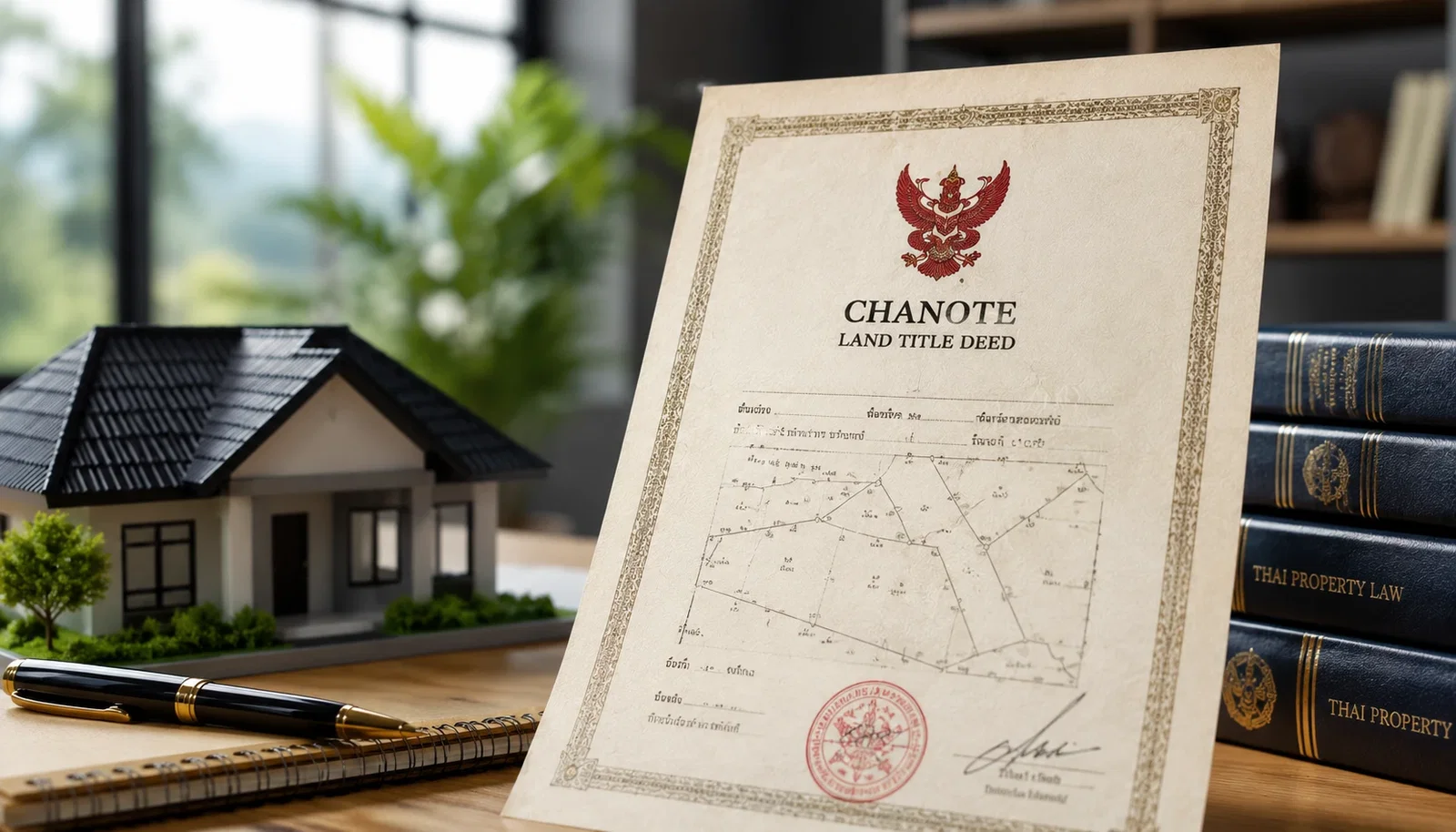

For foreigners looking to buy property in Thailand, choosing the right structure for securing long-term use of a property can have a meaningful impact on the overall experience. While long-term leaseholds are a common and familiar option, Sap-Ing-Sith offers an alternative that comes with considerably more flexibility.
In this article, we cover what Sap-Ing-Sith is, the rights it provides, which properties qualify, and how it compares with standard leasehold agreements.
What is Sap-Ing-Sith?
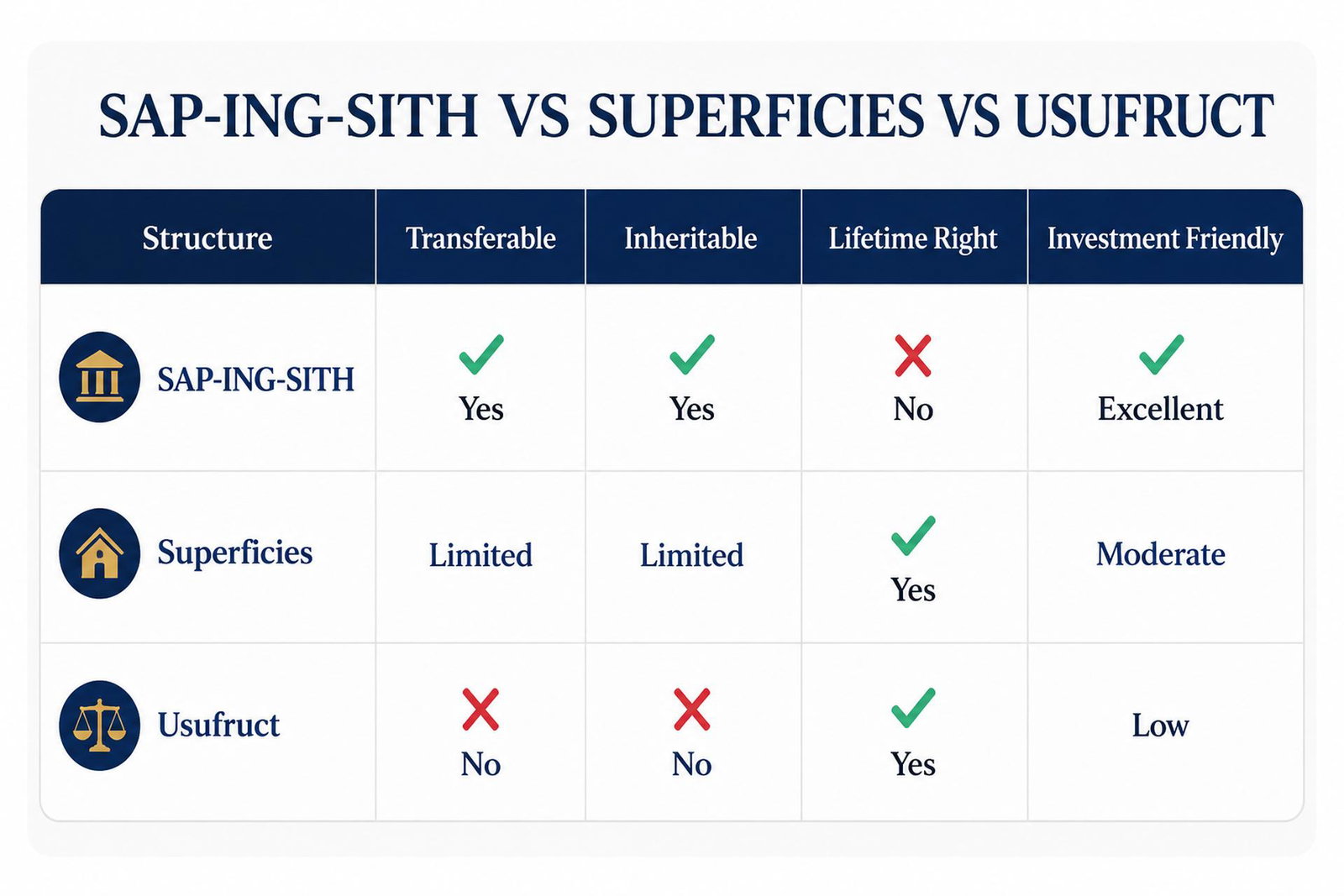
Sap-Ing-Sith is a registered right to use and benefit from immovable property in Thailand. It can be registered for a maximum term of 30 years and grants certain ownership-like rights to the holder, including the ability to transfer, inherit, and use the property as collateral for a bank mortgage.
Even if the landowner decides to sell the land, the registered Sap-Ing-Sith remains in place, as it is attached to the property—not the person who granted it.
Sap-Ing-Sith is also one of the three eligible routes that can qualify applicants for the THB 3 million property investment visa in Thailand.
Rights of the Sap-Ing-Sith Holder
The holder of a Sap-Ing-Sith agreement can use the property as specified in the certificate issued by the Land Office, which can include:
- Transfer: The holder can sell, assign, or transfer the remaining term of the Sap-Ing-Sith agreement to a third party without the landowner’s consent.
- Inherit: The right does not terminate upon the holder's death and can be passed down to heirs.
- Use as Mortgage Collateral: The holder can use the Sap-Ing-Sith agreement as collateral for a bank mortgage.
- Construct/Renovate: The holder can make changes to the property without the landowner’s consent.
Keep in mind that when Sap-Ing-Sith is transferred to another party, the transferee acquires the existing registered right. Similarly, when applying for a mortgage, the mortgage is secured by the Sap-Ing-Sith right rather than the underlying land.
However, there are also some limitations. The land cannot be subdivided or merged with another plot. And when the term of the Sap-Ing-Sith ends, any buildings or structures the holder has built, modified, or expanded generally become the landowner’s property, unless the holder and the landowner have agreed otherwise.
What Property Types Are Eligible for Sap-Ing-Sith?
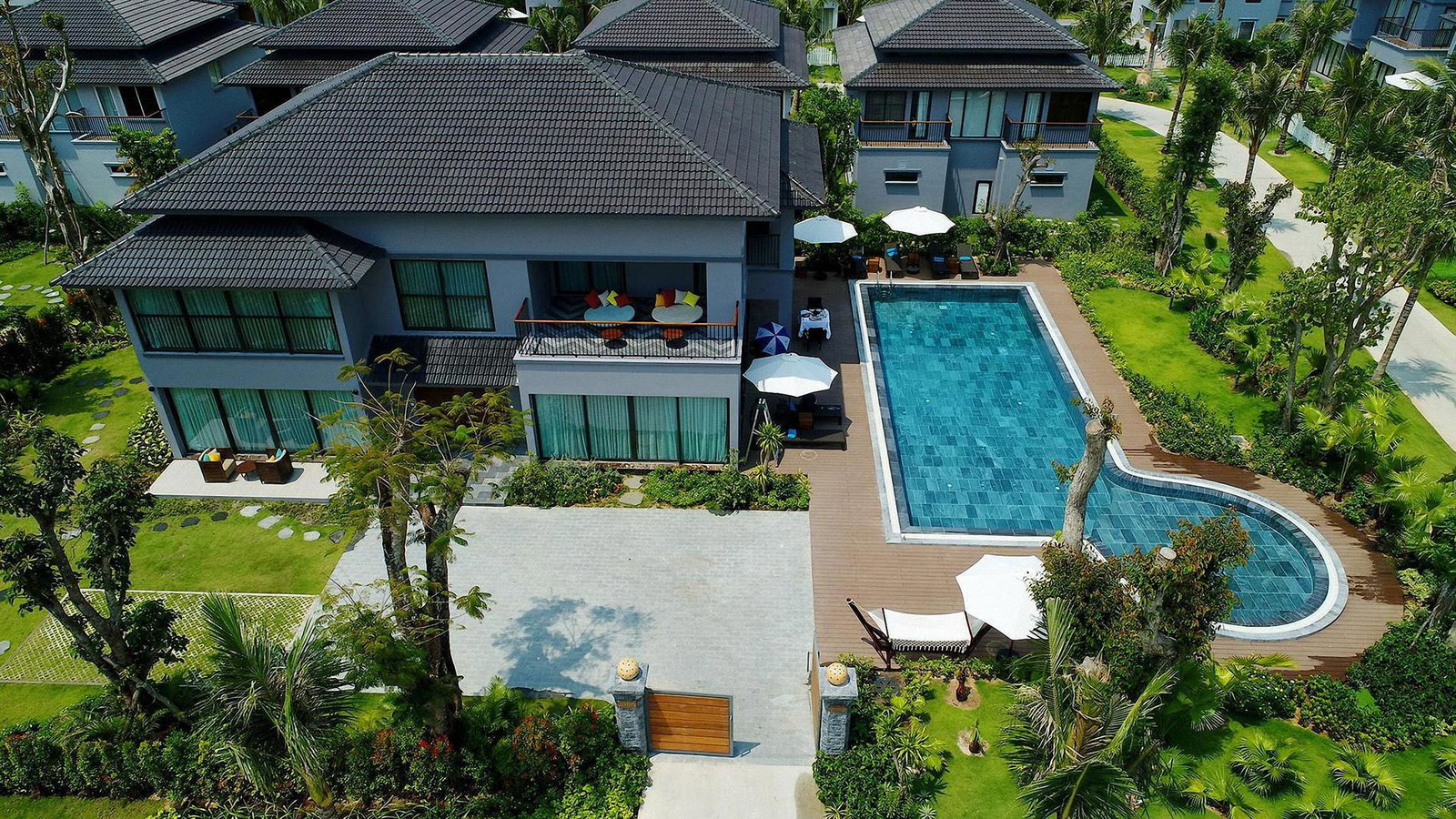
A Sap-Ing-Sith agreement can only be legally registered over the following types of property in Thailand:
- Land with a Chanote title deed (Nor Sor 4)
- Buildings constructed on Chanote-titled land
- Condominium units registered under the Condominium Act
How Sap-Ing-Sith Compares to a Long-Term Leasehold in Thailand
Sap-Ing-Sith and long-term leasehold agreements in Thailand can both provide up to 30 years of use, but they differ in the rights and flexibility they offer:
| Feature | Sap-Ing-Sith | Long-Term Leasehold |
|---|---|---|
| Legal Nature | Registered Real Right | Contractual Right |
| Registration | Land Office | Land Office |
| Maximum Term | 30 Years | 30 Years |
| Transferable | Yes | Requires landowner’s consent |
| Inheritable | Yes | Requires a specific clause in the agreement |
| Mortgageable | Yes | No |
| Construct/Renovate | Yes | Usually requires landowner’s consent |
How to Register a Sap-Ing-Sith Agreement
The registration of a Sap-Ing-Sith agreement takes place at the Land Office in Thailand. Once all the necessary documents (such as personal identification and relevant property title documents) are prepared, both the landowner and the intended holder will need to visit the Land Office.
Here is an overview of the process:
- Register the Sap-Ing-Sith: The landowner must register the Sap-Ing-Sith over the property. If the property is subject to an existing mortgage, the mortgage holder must also consent to the registration.
- Register the Transfer: The registered right is then transferred to the intended holder and recorded with the Land Office.
- Pay the Applicable Fees and Receive the Sap-Ing-Sith Certificate: After paying the applicable fees, the holder receives a Sap-Ing-Sith certificate confirming their registered right to use the property.
Renewing Sap-Ing-Sith in Thailand
While a Sap-Ing-Sith agreement may be registered for a maximum of 30 years, there is no provision in the Sap-Ing-Sith Act (2019) for automatic renewal or extension once the term expires.
This means that any extension beyond the initial term requires a new agreement with the landowner, which must also be registered at the Land Office.
Final Thoughts on Sap-Ing-Sith
Overall, Sap-Ing-Sith is a registered right that comes with greater flexibility when compared to conventional leaseholds.
For most foreign property owners, a registered leasehold agreement remains a simpler option for securing long-term use of a property. That said, Sap-Ing-Sith may be the stronger choice when transferability or mortgageability is an important consideration.
Frequently Asked Questions About Thailand’s Sap-Ing-Sith Property Right
Can a foreigner hold Sap-Ing-Sith?
Yes, foreigners can hold Sap-Ing-Sith in Thailand. Eligible property options include condominiums, land, and buildings on land with a Chanote title deed.
What happens to the property when the Sap-Ing-Sith ends?
When the Sap-Ing-Sith term expires, the holder must return the property to the landowner in its original condition, unless renovations or additions were made during the term as permitted under the agreement.
What are the key features of a Sap-Ing-Sith agreement?
The key features of a Sap-Ing-Sith agreement include a term of up to 30 years, along with the ability to transfer, inherit, and use the right as collateral for a bank mortgage.
Please complete the form. We will get back to you as quickly as possible. Alternatively if you want to visit us please call to arrange an appointment.